Grooming your dog at home: brushing, nails, ears and teeth
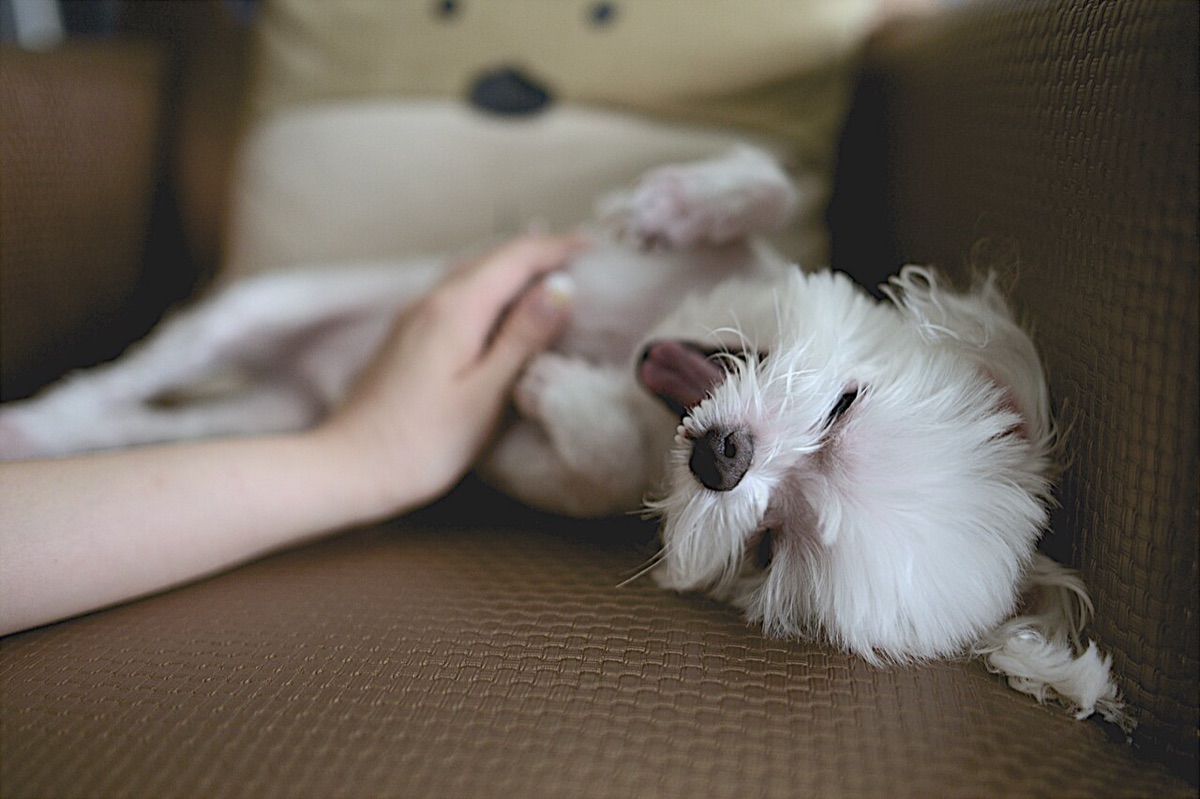
The groomer does the big jobs, but what you do at home in between makes the difference. A few minutes a week prevents mats, overgrown nails and ear problems, and gets your dog used to being handled. That makes visits to the groomer and the vet calmer too.
Brushing: the right tool for the coat
- Short coat: a rubber brush or grooming mitt removes loose hair. Once a week is usually enough.
- Double coat: an undercoat rake for the dead undercoat and a regular brush for the top coat. Daily during moulting season if you can.
- Curly or long coat: a soft slicker brush and a metal comb. Brush right down to the skin and check with the comb that no tangles are left. Ideally every other day.
- Wire coat: a slicker brush and a comb, once or twice a week.
Always brush in the direction the hair grows, a small section at a time. If you hit a tangle, hold the hair at the base near the skin and work the knot loose from the outside in. Don't try to cut out a felted mat yourself: the skin is often closer to the scissors than you think. Leave that to a groomer.
Trimming nails
If you can hear nails clicking on the floor, they're too long. For most dogs that means every 3 to 6 weeks, depending on how much they walk on hard ground. Use dog nail clippers and take off only a little at a time. Inside the nail is the quick, a blood vessel and nerve. On light nails you can see it as a pink core; on dark nails, go extra carefully in tiny steps. Don't forget the dewclaw on the inside of the leg. If you find it stressful, a groomer or vet can do it in a few minutes.
Checking ears
Look inside the ears once a week. Healthy ears are pale pink, clean and don't smell. Clean only the visible part with a dog ear cleaner and a cotton pad; never push cotton buds into the ear canal. See a vet if there's a bad smell, redness, dark discharge, or if your dog keeps shaking their head or scratching their ears. Dogs with floppy ears or a lot of hair in the ears are more prone to problems.
Brushing teeth
Tartar and gum disease are very common in dogs, especially small breeds. Daily brushing is best, but a few times a week already helps. Use a finger brush or soft toothbrush and always a toothpaste made for dogs. Human toothpaste isn't suitable: dogs swallow it, and some kinds contain xylitol, which is toxic to dogs.
Make it something to enjoy
Start with just a few minutes, at a time when your dog is calm. Reward with a treat or attention, and stop before your dog has had enough. That way you build a routine you can both keep up.
Need a hand?
If it doesn't work at home or the coat is already badly tangled, a grooming salon or mobile groomer can help. On Petovia you can see which treatments each provider offers, such as nail clipping, ear cleaning or a full groom, and book online straight away.
Looking for this service?
A good groom keeps your pet's coat and skin healthy. On Petovia you can compare groomers near you and book a time that suits you online.